Gearbox solutions for gear reliability
When critical rack and pinion components began experiencing premature wear, the customer turned to RJ Link International, Inc for an engineering evaluation. Through detailed stress analysis and design optimization, our team identified the root cause of the failures and developed recommendations to significantly improve durability and overall performance.
Review the Case Study below to learn more about how we increased the design safety factor by 1.8 times the original.
Case Study
Rack & Pinion Stress Analysis Overview
A customer contacted Rj Link International, Inc requesting support on analyzing their existing rack & pinion design for improved performance. Their existing products require the pinions to be replaced yearly due to excessive gear wear.
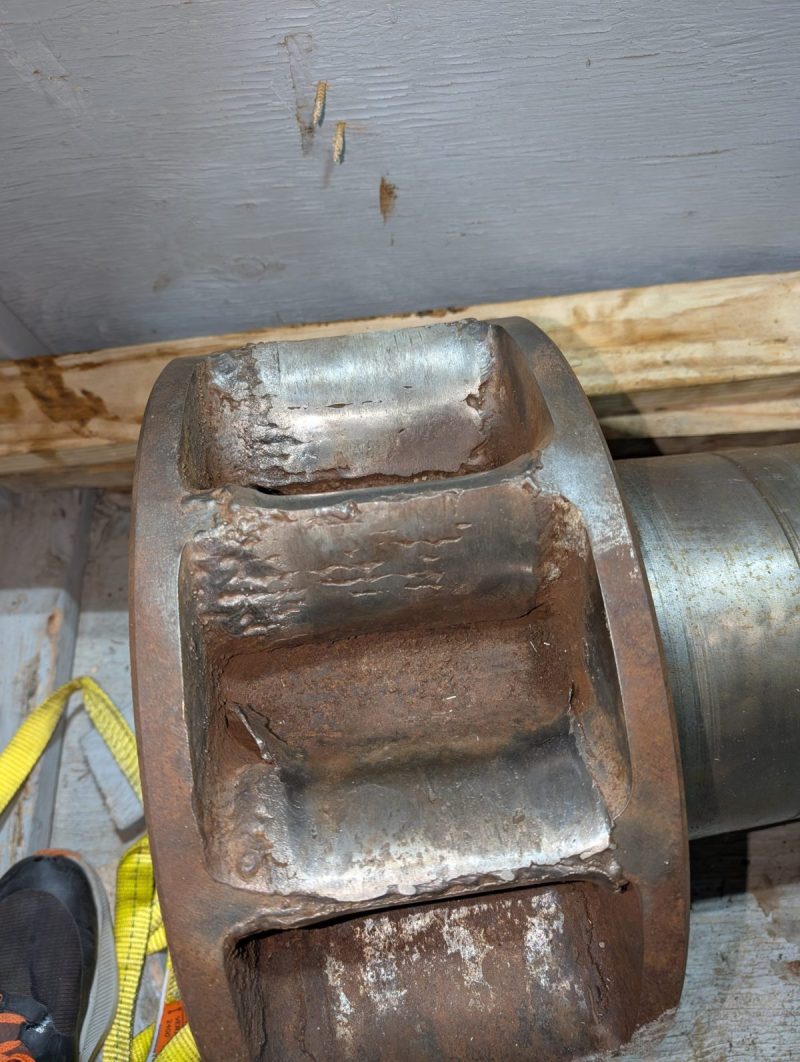
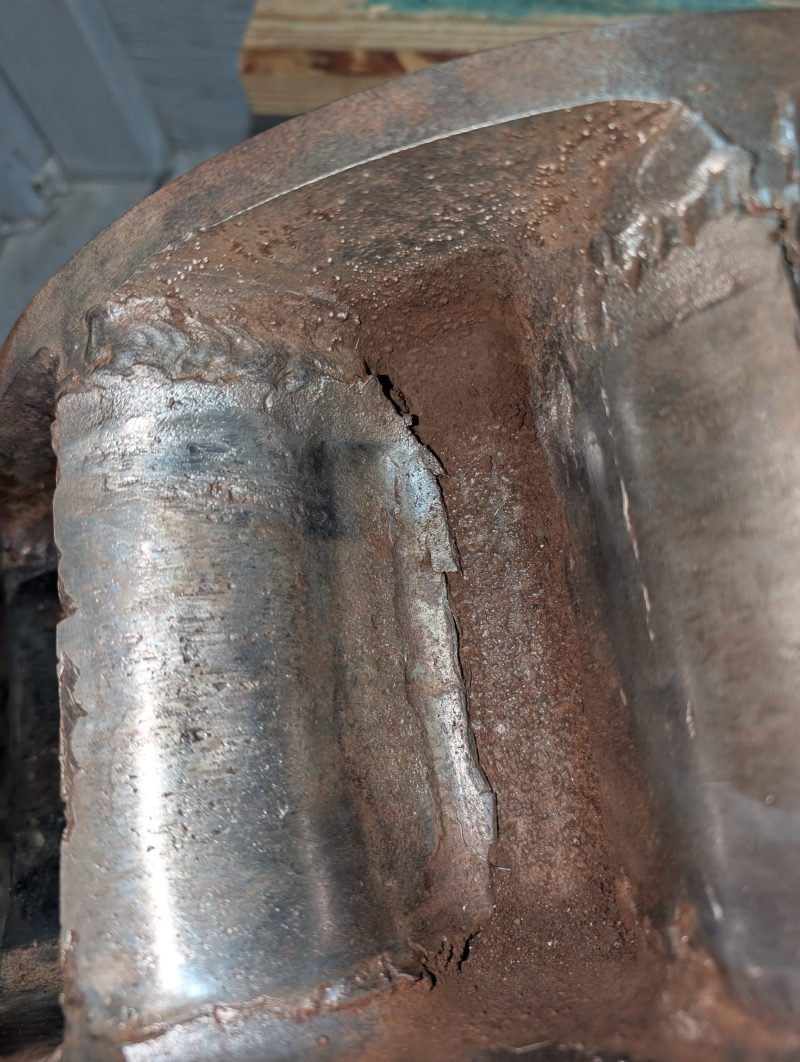
Their existing pinion was a 9 tooth, .7 diametral pitch, 20 ̊ pressure angle gear made from AR 400 material. The mating rack was made from similar material that matched the pinions geometry. In this case, each pinion experienced a torque of roughly 182,500 ft*lbf that equated to a total axial force of 2,400,000 lbf. During normal operation, a brinelling effect occurred on the pinion leading to the excessive wear warranting yearly replacement.
Objective
Through the analysis of the existing design and sample components, determine the best set of improvements to increase the rack and pinion durability and reliability.
Analysis
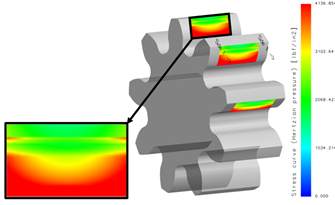
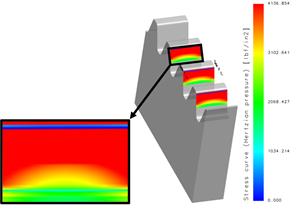
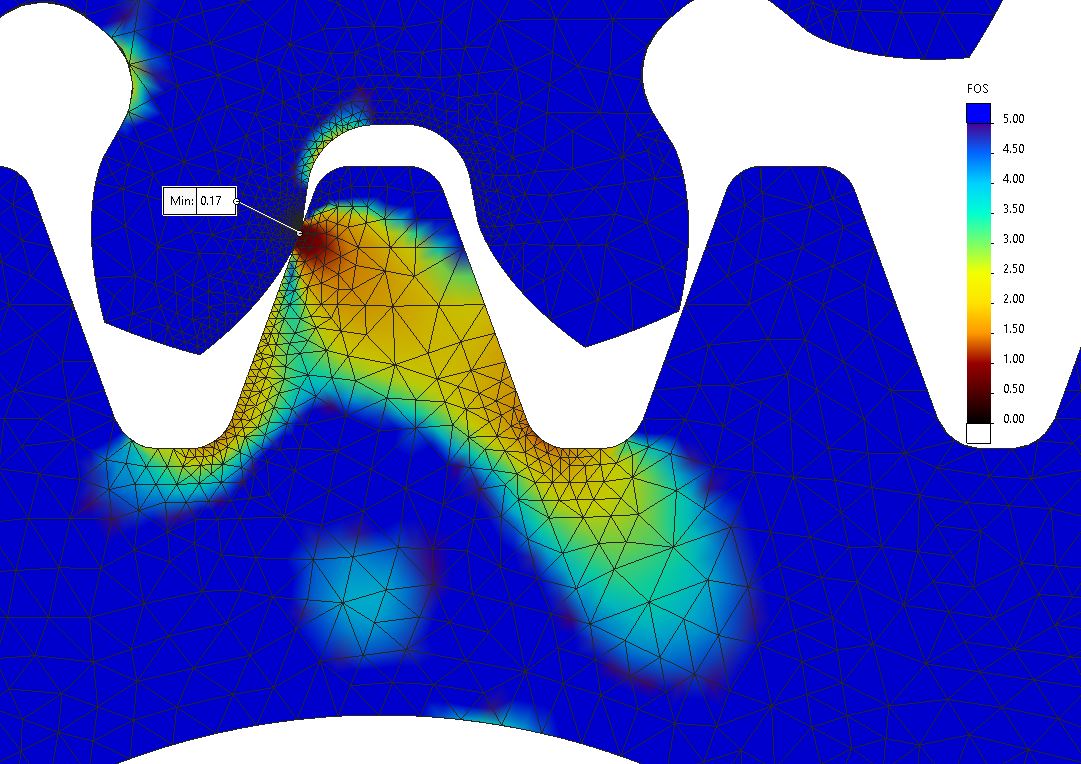
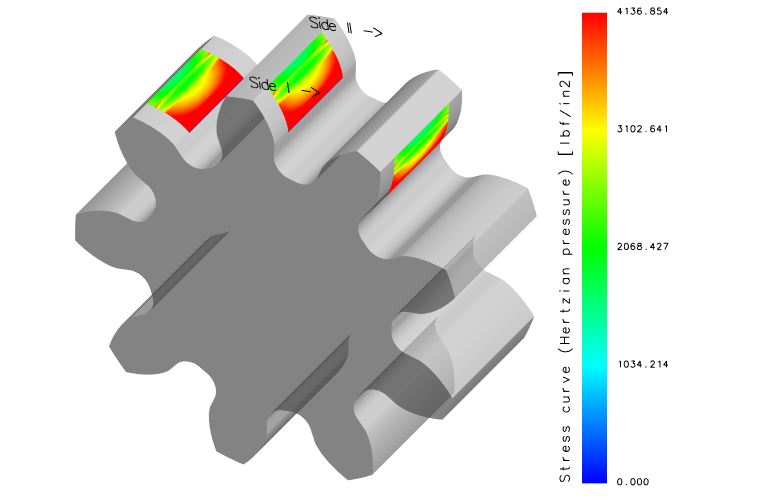
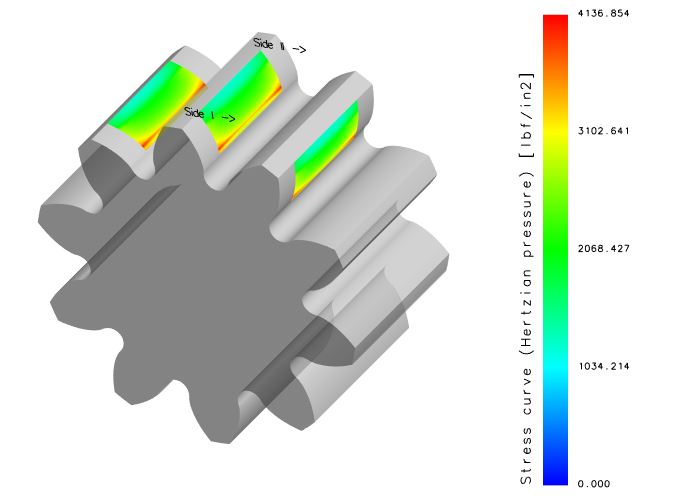
The analysis showed that while operating at the customer’s parameters, the concentrated stress on both the rack and pinion exceeded the materials elastic properties on both the tooth flank and root. This would then lead to the observed plastic deformation.
From this analysis, several recommendations were presented to the customer that:
- Increased contact ratio
- Decreased sliding
- Increased pinion tooth thickness
- Decreases contact stress
- Optimized material selection
- Optimized rack and pinion geometries
These changes increased the design safety factor by 1.8 times the original. Further contact analysis and finite element analysis confirmed and showed:
Before Design Optimization
After Design Optimization